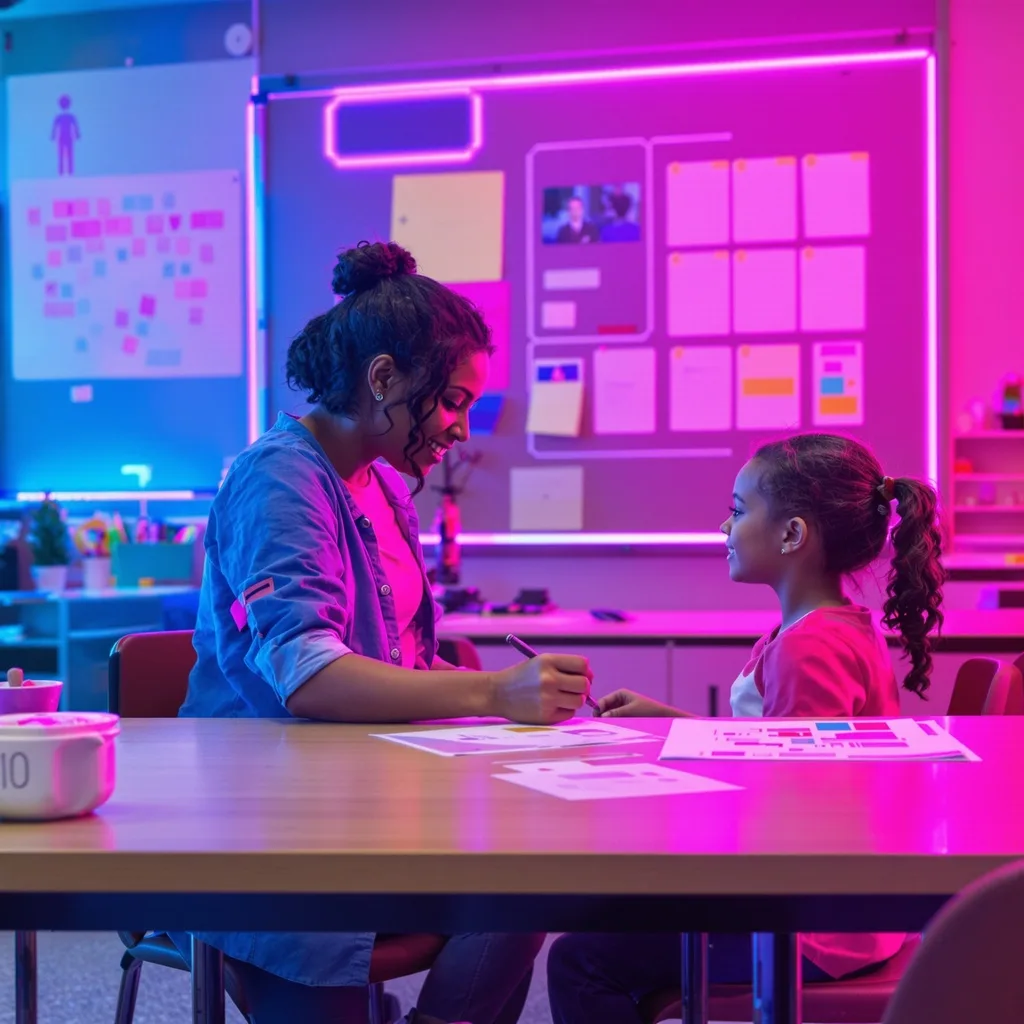
What is Supporting Children Through Behavioral Changes?
Supporting Children Through Behavioral Changes Training
The Supporting Children Through Behavioral Changes certificate program equips parents, educators, and caregivers with a compassionate, science-backed framework for understanding and responding to shifts in children’s conduct. It moves beyond surface-level discipline to address the developmental, emotional, and environmental factors that drive behavior, from toddler tantrums to adolescent defiance. Participants gain practical tools to de-escalate challenging moments, foster emotional regulation, and build lasting cooperation without punishment or power struggles. The primary outcome is a personalized support plan that transforms daily interactions into opportunities for connection and growth.
This program follows a carefully sequenced, beginner-friendly path that blends foundational theory with immediately applicable techniques. You will first explore the brain-body connection and developmental milestones, then learn to identify triggers and unmet needs before moving into core skill areas: empathetic communication, positive reinforcement, consistent boundary-setting, and collaborative problem-solving. A dedicated module on caregiver resilience ensures you can sustain these changes without burnout. With rising awareness of children’s mental health and the limitations of traditional discipline, now is the ideal time to adopt a relationship-centered approach that builds self-regulation and mutual respect for a lifetime.
What is Supporting Children Through Behavioral Changes?
Supporting children through behavioral changes is a holistic, relationship-based approach that interprets challenging conduct as a form of communication rather than willful misbehavior. It draws on developmental psychology, neuroscience, and trauma-informed care to address the root causes of shifts in a child’s actions, such as emotional dysregulation, unmet needs, or environmental stressors. Core concepts include co-regulation—where a calm adult lends their nervous system to a distressed child—and the understanding that all behavior serves a function, whether seeking connection, autonomy, or sensory input. The scope spans everyday defiance, aggressive outbursts, anxiety-driven withdrawal, and adjustment to major life events like divorce or relocation.
In today’s fast-paced, high-pressure world, this subject has gained urgent relevance. Schools and families are witnessing a surge in behavioral challenges linked to screen overuse, social fragmentation, and post-pandemic emotional fallout, while research increasingly discredits punitive models. Pediatricians, therapists, and educational systems now emphasize social-emotional learning and trauma-sensitive classrooms, making these skills essential for anyone working with children. The shift from “fixing” behavior to understanding it reflects a broader cultural move toward empathy, mental wellness, and inclusive support for neurodiverse children.
Mastering this subject builds a powerful skill stack: emotional intelligence, observational analysis, nonviolent communication, and adaptive problem-solving. These competencies benefit not only parents and teachers but also social workers, counselors, coaches, and healthcare providers who guide families through developmental transitions. In personal contexts, they deepen the parent-child bond and reduce household conflict; in professional settings, they enhance classroom management, therapeutic outcomes, and multidisciplinary collaboration. Ultimately, this knowledge empowers adults to become the steady, attuned presence every child needs to navigate change with confidence and resilience.
What Will This Course Bring You?
- Analyze how developmental stages influence behavioral expectations to tailor age-appropriate responses to children's actions.
- Apply brain-based emotional regulation strategies to help children manage strong feelings and reduce reactive behaviors.
- Identify environmental and emotional triggers and unmet needs that contribute to challenging behaviors in children.
- Build connection rituals that foster trust and cooperation, creating a foundation for positive behavioral change.
- Communicate behavioral expectations with empathy and clarity using scripts that validate feelings while addressing actions.
- Design a system of positive reinforcement and encouragement that strengthens desired behaviors without relying on extrinsic rewards.
- Implement consistent boundaries and logical consequences that teach accountability while preserving the child's dignity.
- Evaluate personal resilience practices and create a self-care plan to sustain effective support through ongoing behavioral challenges.
Curriculum
12 Units1. Understanding Behavioral Changes in Children
30 min
2. Developmental Stages and Behavioral Expectations
30 min
3. The Brain and Emotional Regulation
30 min
4. Identifying Triggers and Unmet Needs
30 min
5. Building Connection as the Foundation for Cooperation
30 min
6. Communicating About Behavior with Empathy and Clarity
30 min
7. Positive Reinforcement and Encouragement That Works
30 min
8. Setting Boundaries and Applying Consistent Consequences
30 min
9. Managing Challenging Behaviors: Tantrums, Defiance, and Aggression
30 min
10. Supporting Children Through Major Life Transitions
30 min
11. Collaborating with Schools and Professionals
30 min
12. Caregiver Resilience and Sustaining Positive Change
30 min
Exam – Supporting Children Through Behavioral Changes
20 Questions • 70% Pass • 30 min
Unlock All Units for Free
Create an account, enroll in the course, and start with the first unit right away.
Exam – Supporting Children Through Behavioral Changes
20 Questions • Pass: 70% • 30 min
Course Duration
360
Total Minutes
12
Unit
1
Final Exam
~30
Min / Unit
Supporting Children Through Behavioral Changes Certificate Program
Document Your Skill
Those who pass the 20-question, 30-minute exam with 70% receive the Supporting Children Through Behavioral Changes Certificate.
Stand Out on Your CV
By adding your certificate to your CV, gain a professional reference in job applications and stand out from the crowd.
Career Advantage
Catch Wisdom certificates are recognized by HR departments and increase career opportunities.
CERTIFICATE FEE
At the end of the course, an online exam consisting of 20 questions with a 30-minute time limit is given. The exam appears automatically after you complete the topics. Anyone who scores at least 70 out of 100 on the certificate exam is awarded the Supporting Children Through Behavioral Changes Document (certificate of attendance). You can add the certificate you earn to your CV for job applications in the many sectors listed above, and use it as a reference proving that you took this interactive course.
The Certificate of Achievement you receive with the Supporting Children Through Behavioral Changes course program holds value that proves your personal and professional development in the business world. By adding it to your CV, it can serve as an important reference in your job applications. Moreover, compared with certificates from other private training institutions, Catch Wisdom certificates are offered to our participants at a much more affordable price.
Because HR departments recognize Catch Wisdom as a reputable institution in this field, they value these certificates and may evaluate your job applications favorably. For this reason, a Supporting Children Through Behavioral Changes course certificate from Catch Wisdom can make your applications more attractive and place you in an advantageous position in the business world.
For more information, we recommend visiting the Support page.
Certificate in 7 Languages
Earning success certificates from our courses is now more meaningful and global. With certificates available in Turkish, English, German, French, Spanish, Arabic, and Russian, we fully unlock the potential of students worldwide.
Why Certificate in 7 Languages?
-
01
Global Skill Development
Receiving your certificates in 7 different languages strengthens your communication skills as you engage with more people worldwide. It lets you operate more confidently and capably on the international stage.
-
02
International Job Opportunities
Employers may see your certificates in multiple languages as a sign of your ability to seize global opportunities. You can open more doors to new jobs and projects.
-
03
Cultural Richness
The chance to earn certificates in different languages helps you build closer ties with various cultures and broadens your worldview. It enriches your global perspective and deepens cultural understanding.
-
04
Ability to Participate in International Projects
Multilingual certificates give you an edge to work more effectively on international projects. They boost your chances of leadership and participation in diverse projects in the business world.
-
05
Prove Yourself on the Global Stage
Certificates in multiple languages let you showcase your skills and knowledge worldwide. You can become an internationally recognized professional.
Language diversity opens worldwide opportunities. If you want to prove yourself in the international arena, join our online Supporting Children Through Behavioral Changes course program and begin this journey with us.
Frequently Asked Questions (FAQ)
Is this course paid?
How do I join the course?
Can I take the course at my own pace?
How can I get my certificate?
What are the advantages of the Certified Certificate?
Boost Your Career
Take a new career step with the Supporting Children Through Behavioral Changes course. Add your certificate to your CV, stand out in job applications, and open the door to new opportunities in the industry.
StartStudent Reviews
No reviews yet
Enroll in this course and be the first to leave a review about your experience with Supporting Children Through Behavioral Changes.
Start